
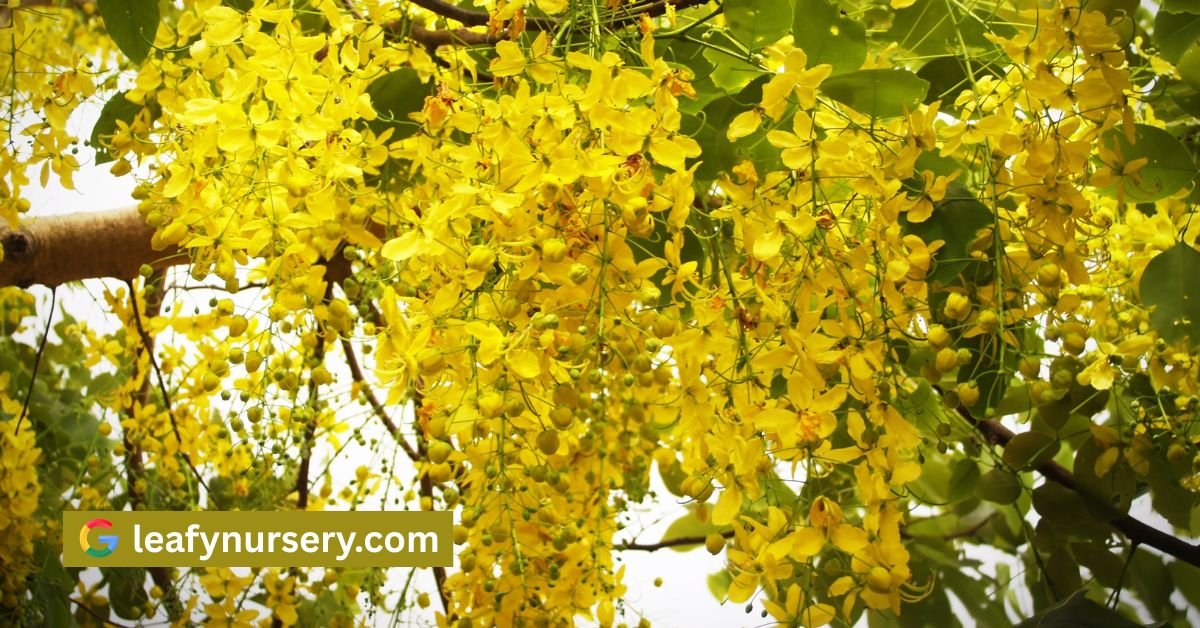
Amaltas Tree, commonly known as the Golden Shower Tree or Cassia fistula, and in Marathi known as Bahava tree, is a beautiful and fascinating tree admired by people worldwide. It is famous for its stunning bright yellow flowers, which bloom in long, hanging clusters and make the tree look like golden rain pouring down the branches. These dazzling blossoms typically appear during the hot summer months, adding a vibrant splash of color to the landscape.
Cassia fistula is an official state flower of Kerala state and Delhi UT in India.
Amaltas Tree also has many practical uses, especially in traditional medicine. For example, in Ayurveda, an ancient Indian healing system, various parts of the Amaltas tree are used to treat health problems like digestive issues and skin conditions and detoxify the body. Its leaves, flowers, and fruits are all valued for their natural medicinal properties.
Another incredible fact about Cassia fistula (Bahava tree) is how easy it is to grow and care for. Even though it looks exotic, this tree is very tough and can survive under challenging conditions. Drought-tolerant, so it doesn’t need much water to grow well. This makes it an excellent choice for gardens in hot climates or regions facing water scarcity.
Besides being easy to maintain, the Golden Shower Tree (Amaltas Tree) attracts many beneficial creatures to gardens. Its sweet-smelling flowers are loved by bees, butterflies, and birds, bringing life and activity into any space where it grows. This adds beauty to gardens and helps support local wildlife and biodiversity.
Cassia fistula (Bahava tree) is also good for the environment. It provides excellent shade and cools the area around it, especially during hot summer days. The tree also helps improve air quality by reducing pollution levels. Planting golden shower trees in urban areas can help create healthier, cooler, and more pleasant neighborhoods.
Cassia fistula, or the Amaltas tree, is more than a pretty tree. Its golden flowers brighten gardens and streets, making summers more cheerful and colorful. With its rich cultural history, medicinal uses, environmental benefits, and ease of care, the Golden Shower Tree is a valuable addition to any garden or landscape. Whether you plant it for its beauty, health benefits, or environmental advantages, Cassia fistula promises to be a treasure you’ll cherish for many summers.
Cassia fistula – Golden shower Tree – Bahava Tree
Amaltas Tree (Golden Shower / Cassia Fistula) Specifications
Amaltas Tree Also known as the golden shower tree, cassia fistula is a popular tree with yellow flowers, loved for its beauty and shade..
| Feature | Specification |
| Common Names | Cassia Fistula, Amaltas Tree, Golden Shower Tree |
| Botanical Name | Cassia fistula |
| Type | Deciduous flowering tree |
| Flower Color | Bright yellow (often blooms in clusters) |
| Nickname | Tree with yellow flowers |
| Tree Height (Full Grown) | 30 to 40 feet |
| Canopy Spread | 20 to 30 feet |
| Growth Rate | Medium to fast |
| Soil Preference | Well-drained soil; prefers loamy or sandy soil |
| Sunlight Needs | Full sun (6+ hours of direct sunlight) |
| Watering | Moderate; drought-tolerant once established |
| Climate | Tropical and subtropical climates (Zones 9–11) |
| Blooming Season | Late spring to early summer |
| Uses | Shade tree, ornamental landscaping, roadside planting |
| Special Features | Attracts bees and butterflies, low maintenance |
| Cultural Significance | Sacred in India; used in traditional medicine |
| Other Notes | Loses leaves before blooming; flowers create a beautiful yellow carpet effect |
Different Varieties of Amaltas Tree (Golden Shower/ Cassia Fistula)
The Amaltas tree – also known as Cassia fistula or the Golden Shower Tree – is a stunning tropical tree famous for its bright yellow flowers hanging like golden waterfalls. It’s popular in gardens and streets across India and other warm countries.
Is there more than one type of Amaltas tree?
Cassia fistula is one specific species, so technically, no “varieties” or subspecies of Cassia fistula are officially recognized. However, people often confuse it with similar trees in the Cassia or Senna family because they look similar. Let’s look at a few related trees that are commonly mistaken as different types of Amaltas:
1. Cassia fistula (True Amaltas tree)
- Flowers: Bright golden-yellow, long hanging clusters
- Leaves: Long and oval
- Blooming time: Late spring to early summer
- Other names: Indian laburnum, golden shower
- Fun fact: The National tree of Thailand!
2. Cassia javanica (Pink Shower Tree)
- Flowers: Pink to rose-colored (not yellow!)
- Why it’s confused: Similar name and hanging flower style
- Main difference: Color of flowers is pink instead of yellow
3. Cassia grandis (Coral Shower Tree)
- Flowers: Pinkish to salmon-colored
- Leaves: Larger and broader than Cassia fistula
- Looks like: A cousin of the Amaltas, but with coral-colored blooms
4. Senna spectabilis (Golden Wonder Tree)
- Flowers: Yellow and bright, but clusters are shorter
- Tree shape: More rounded and bushier than Cassia fistula
- Common in: Parks and cityscapes
Key points
If you’re specifically looking for the classic Amaltas tree with golden-yellow flower showers, stick to:
👉 Amaltas tree / Cassia fistula / Golden Shower tree
But if you’re open to other gorgeous flowering trees in the same family (Cassia/Senna), the pink and coral ones are lovely alternatives.
How to Grow and Care for the Amaltas Tree (Cassia Fistula)
Step-by-Step Guide to Plant and Care for a Golden Shower Tree (Amaltas Tree / Cassia Fistula)
The amaltas tree, also known as the cassia fistula or golden shower tree, is one of the most beautiful trees you can plant. In late spring and early summer, it bursts into bright yellow blossoms that look like golden waterfalls—making it a true showstopper in any garden.
Here’s everything you need to know to grow and care for this tree with yellow flowers like a pro:
Step 1: Choosing the Right Spot
- Sunlight: This tree loves full sun. Pick a spot that gets at least 6 to 8 hours of direct sunlight daily.
- Space: The golden shower tree can grow 30 to 40 feet tall, so give it room to spread out.
Step 2: Best Soil for Cassia Fistula
- Soil Type: Prefers well-draining soil. Sandy loam or garden soil mixed with compost works well.
- pH Level: Neutral to slightly acidic is ideal.
- Tip: Avoid clay-heavy soil that holds too much water—it can cause root rot.
Step 3: Watering the Amaltas Tree
- Young Trees: Water regularly during the first year to help the roots establish. About 2–3 times a week, depending on heat.
- Mature Trees: Once established, they become drought-tolerant. Water only during dry spells.
- Don’t overwater: Let the top inch of soil dry out between waterings.
Step 4: Taking Care of Your Tree with Yellow Flowers
- Fertilizer: In spring, use a balanced fertilizer (10-10-10) to encourage healthy growth and flowering.
- Mulching: Add a 2–3 inch layer of mulch around the base (but not touching the trunk) to retain moisture and keep weeds away.
Step 5: Pruning Tips for the Golden Shower Tree
- When to Prune: Late winter or early spring, before new growth starts.
- How to Prune:
- Remove dead or damaged branches.
- Shape the tree to your liking—keep the main trunk strong and remove crowded interior branches.
- Why Prune: Encourages better air circulation and helps the tree produce more flowers.
Bonus Tips
- Pollinators Love It: Bees, butterflies, and birds are drawn to its bright flowers.
- Pest Alert: Occasionally watch for caterpillars or aphids—but they’re usually not a big problem.
- Seasonal Showstopper: It flowers in late spring to early summer and sometimes again in early fall.
Planting an amaltas tree in your garden adds beauty and a splash of golden joy every year. With a bit of love and care, your golden shower tree will reward you with a spectacular tree full of yellow flowers you’ll be proud of.
Benefits and Uses of the Amaltas Tree (Cassia Fistula)
The amaltas tree is native to India and blooms with long, hanging clusters of bright yellow flowers, especially in the summer. It’s often planted along roads and in gardens to add natural beauty and shade.
But beyond its looks, the golden shower tree has deep roots in traditional healing, especially Ayurveda, where it’s known as “Rajvraksha”, meaning the “king of trees.”
Ayurvedic Benefits of Cassia Fistula (Amaltas Tree)
In Ayurveda, every part of the Cassia fistula tree is used for healing—from the flowers to the bark and especially the pods.
1. Natural Laxative
- The pulp inside the pods works as a gentle, herbal laxative.
- It helps treat constipation without causing cramps or side effects.
- Commonly given to children and elders who need a mild solution.
2. Fever and Detox Remedy
- A decoction made from the bark or pods is used to reduce fever.
- Helps detox the liver and remove toxins from the body.
- Supports healthy digestion and bowel movement.
3. Skin and Wound Healer
- A paste made from the leaves or bark can be applied to:
- Boils
- Infections
- Wounds
- It has cooling and antibacterial effects.
4. Joint and Muscle Pain Relief
- The bark is boiled and used as a warm compress or herbal tea.
- Helps reduce swelling and pain caused by arthritis or injuries.
5. Pitta Balancer
- If you often feel overheated or suffer from rashes, ulcers, or acidity, this tree is your friend.
- Its cooling nature helps balance the Pitta dosha and calm inflammation.
Other Uses of the Golden Shower Tree
Even outside Ayurveda, the amaltas tree has many helpful uses:
- Landscaping: Grows quickly in dry or tropical areas, great for shade.
- Eco-Friendly: Improves soil quality and attracts pollinators like bees and butterflies.
- Traditional Crafts: The wood is sometimes used for small tools or furniture.
While the amaltas tree is natural, not everything natural is safe for everyone in all amounts. Always consult an Ayurvedic doctor before using cassia fistula regularly—especially if you’re pregnant, breastfeeding, or taking medications.
Best Placement for the Amaltas Tree (Cassia Fistula / Golden Shower Tree)
| Location | Why It’s Ideal | Tips & Notes |
| Parks & Public Gardens | Adds natural beauty, shade, and color; attracts birds and bees | Plant in open areas for full flower display |
| Home Gardens (Large Yards) | Low-maintenance, drought-tolerant, and beautiful when planted in rows | Needs space from walls; plant in full sun |
| Roadways & Boulevards | Plant in open areas for a full flower display | Low-maintenance, drought-tolerant, and beautiful when planted in rows |
| Office & Commercial Spaces | Adds a vibrant, natural element to buildings or campuses | Best for outdoor courtyards or entrance areas |
| Plantations & Agroforestry | Helps improve soil, prevent erosion, and provide shade for other crops | Low-maintenance, drought-tolerant, beautiful when planted in rows |
Planting Tips
| Requirement | Details |
| Sunlight | Full sun (at least 6–8 hours daily) |
| Soil | Well-drained, sandy or loamy soil |
| Watering | Regular when young; drought-tolerant later |
| Spacing | 10–15 feet apart to allow healthy growth |
Avoid Planting In:
- ❌ Small patios or tight spaces
- ❌ Very close to buildings or walls
- ❌ Indoor containers or pots
- ❌ Cold, frost-prone regions
FAQs – Amaltas Tree
What is a golden shower / Amaltas tree?
The Golden Shower Tree, also known as Amaltas or Cassia Fistula, is a beautiful flowering tree known for its bright yellow, hanging flowers
How do you grow a golden shower tree/ Amaltas Tree from seed?
To grow a Golden Shower Tree (Amaltas Tree) from seed, first soak the seeds in warm water for 24 hours to soften their hard shell. Then, plant them about 1 inch deep in well-draining soil in a pot or seed tray. Keep the soil moist and place the pot in a warm, sunny spot. Germination can take 2–3 weeks. Once the seedlings are strong and about 6–8 inches tall, you can transplant them to a sunny spot in your garden.
Is the Golden shower tree / Amaltas Tree poisonous?
The Golden Shower Tree (Cassia fistula, or Amaltas) is not considered poisonous to humans or animals in general. In fact, its fruit pulp is used in Ayurvedic medicine as a natural laxative. However, the seeds inside the pods are mildly toxic if eaten in large amounts and should be kept away from small children and pets
EMAIL: nurseryleafy@gmail.com