
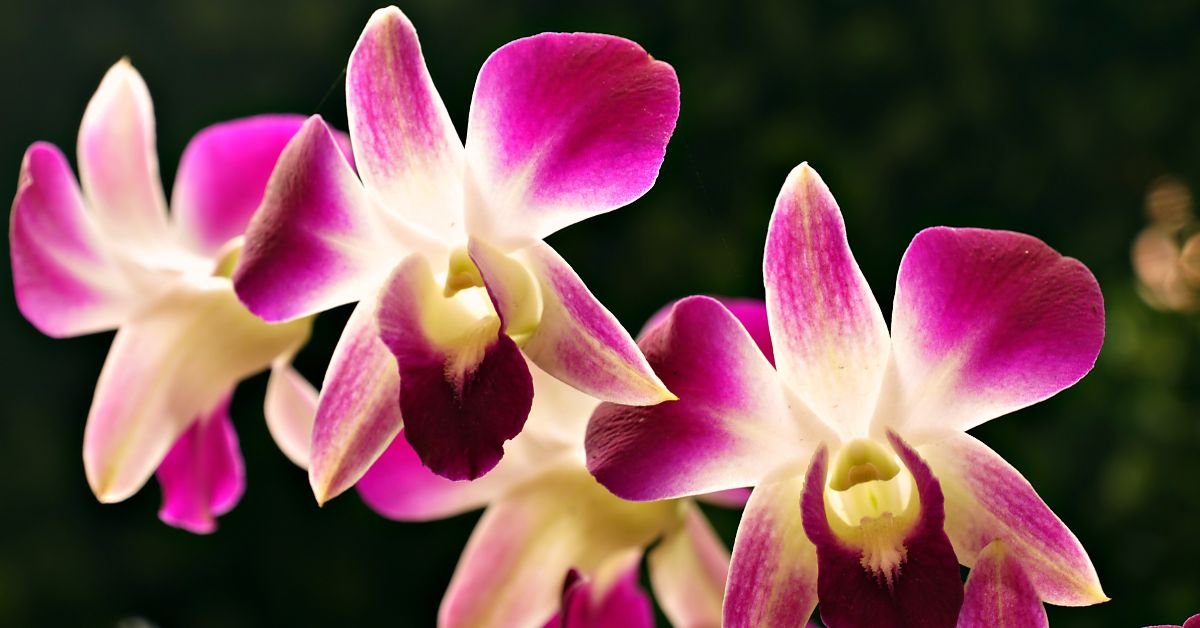
Dendrobium orchids are a captivating bunch. They’re known for their stunning sprays of flowers in a rainbow of colors and relative ease of care compared to other orchid varieties. If you’re looking to add a touch of exotic beauty to your home, a Dendrobium orchid might be the perfect choice. This guide will walk you through everything you need to know, from choosing the right plant to keeping it healthy and happy.
Why Choose a Dendrobium?
Before we dive into the specifics, let’s look at why these orchids are so popular:
Stunning Variety: Dendrobiums come in countless shapes, sizes, and colors. You’ll find everything from delicate, petite flowers to bold, showy blooms.
Relatively Easy to Care For: While all orchids require specific attention, Dendrobiums are often considered more forgiving than some of their finicky cousins. They adapt well to typical household conditions.
Long-Lasting Blooms: Many Dendrobium varieties can bloom for several weeks, even months, giving you a long-lasting display of beauty.
Air-Purifying Qualities: Like many houseplants, Dendrobiums can help improve the air quality in your home.
Not all Dendrobiums are created equal.
Key points to consider when selecting your plant:
Health: Look for firm, green pseudobulbs (the thick, stem-like structures). Avoid plants with wrinkled or brown pseudobulbs, which can indicate problems. Healthy roots should be whitish or greenish, not mushy or brown.
Leaves: Check for healthy, green leaves without any yellowing, spots, or signs of pests.
Blooms (If Present): If the orchid is in bloom, look for vibrant, undamaged flowers. Don’t worry if the blooms are not fully open – this can be a sign that the plant is fresh.
Variety: Different Dendrobium varieties have slightly different care needs. Consider your space, your local climate, and the colors you like. Some popular types include:
Nobile Dendrobiums: Known for their cane-like stems and showy flowers along the stems.
Phalaenopsis-type Dendrobiums: With flatter, more Phalaenopsis-like flowers, often in vibrant colors.
The Key Ingredients: Creating the Right Environment
Dendrobiums are tropical plants, so mimicking their natural environment is key. Here’s what they need:
Light: Bright, indirect light is essential. An east-facing window is often ideal, but a south-facing window with a sheer curtain can work too. Avoid direct sunlight, as this can damage the leaves.
Temperature: Dendrobiums prefer daytime temperatures between 65-80°F (18-27°C) and nighttime temperatures between 55-65°F (13-18°C). A slight drop in temperature at night can help promote blooming.
Humidity: These orchids love humidity. Aim for 50-70%. You can increase humidity by:
Place the pot on a tray of pebbles with water (making sure the bottom of the pot doesn’t sit in the water).
Using a humidifier.
Air Circulation: Good air circulation is crucial to prevent fungal problems. Ensure there is some airflow around the plant, but avoid drafts.
Watering and Feeding Your Dendrobium
Getting the watering and feeding routine right is essential for a healthy Dendrobium:
Watering: Water thoroughly when the potting medium feels almost dry to the touch. Don’t let the potting mix get completely dry. Use lukewarm water, and allow excess water to drain away completely. Overwatering can lead to root rot, so err on the side of slightly under-watering rather than overwatering. How often you water will depend on your home environment and the type of potting mix but it’s often about once a week.
Fertilizing: Feed your Dendrobium with a diluted orchid fertilizer every 2-4 weeks during the growing season (spring and summer). Reduce fertilizing in the fall and winter. Always follow the fertilizer label’s instructions and don’t overfeed, because this will damage the plant.
Repotting and Potting Mix
Potting Mix: Dendrobiums like well-draining potting mix. A mix of orchid bark, perlite, and charcoal is ideal. Avoid using regular potting soil as it will hold too much water and cause the roots to rot.
Repotting: Repot every 1-2 years, ideally after the orchid has finished blooming. Choose a pot that’s only slightly bigger than the orginal one. Handle the roots gently as you repot.
Dendrobium Care Summary Table
To make things easier, here’s a quick summary table of care requirements:
Here’s the table for the feature requirements:
| Feature | Requirement |
|---|---|
| Light | Bright, indirect |
| Temperature | 65-80°F (18-27°C) day, 55-65°F (13-18°C) night |
| Humidity | 50-70% |
| Watering | When potting mix is almost dry |
| Fertilizing | Diluted orchid fertilizer every 2-4 weeks (spring/summer) |
| Potting Mix | Orchid bark, perlite, charcoal |
| Repotting | Every 1-2 years, after blooming |
Even with the best care, you might encounter some issues:
Yellowing Leaves: Could be due to overwatering, underwatering, or too much direct sunlight.
No Blooms: Might be insufficient light, temperature fluctuations, or not enough of a temperature drop at night.
Pests: Keep an eye out for mealybugs, scale, and spider mites. Treat with insecticidal soap or neem oil.
Root Rot: Usually a sign of overwatering. Repot into fresh potting mix, and be more mindful of watering.
Conclusion: Enjoying Your Dendrobium’s Beauty
Growing Dendrobium orchids can be incredibly rewarding. With a little patience, attention to their specific needs, and love, you’ll be rewarded with beautiful, long-lasting blooms. This guide is your starting point to help you understand and nurture your Dendrobium.
Happy growing, and enjoy the beauty that these amazing flowers bring to your home!