
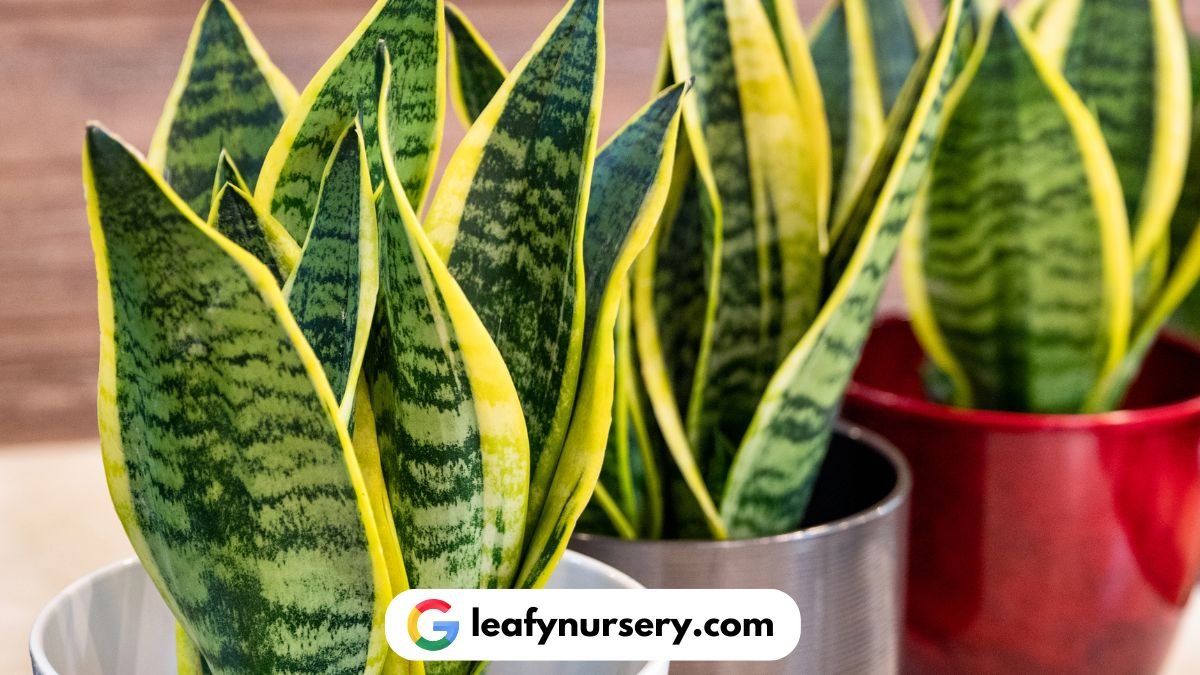
10 Benefits of Snake Plant (Sansevieria) You Must Know. Snake plants help boost mental health and purify the air. They are very easy to grow and require less maintenance. The Snake Plant (Sansevieria) is also known as the mother-in-law’s tongue, and it is one of the most popular plants in households.
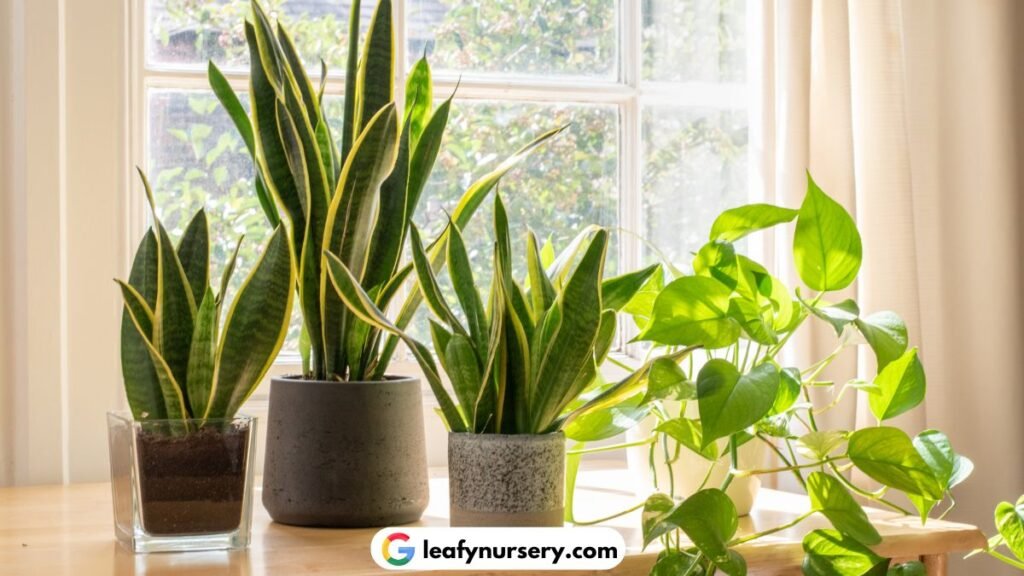
Snake plants are popular in household decorations and office spaces. They are low-maintenance plants that filter Indoor air pollutants like formaldehyde, benzene, and xylene, which have enormous benefits.
The best part is that it releases oxygen at night, making it an excellent choice for placing in a bedroom to improve air quality and sleep.
About Snake Plant
Snake Plant (Sansevieria) is pronounced as san-se-vi-ee’-ri-ah. Snake plant is native to Asia and Africa. According to Vastu, this plant is a positive energy and air purification plant. It is considered adequate and gives good luck when placed in a specific place. The ideal placement is in the East or Southeast Direction for financial gains.
There are many varieties of snake plants (Sansevieria). They are usually tall, with sword-type leaves and a striking green pattern. They grow in low light to bright and indirect sunlight. Even with infrequent watering, they survive.
Plant Specification of Snake Plant
Here are some plant specifications for the snake plant (Sansevieria).
| Specification | Details |
| Common Name | Snake Plant, Mother-in-Law’s Tongue, Sansevieria |
| Scientific Name | Sansevieria trifasciata |
| Plant Type | Evergreen perennial |
| Height | 1–4 feet (30–120 cm) |
| Width | 6–12 inches (15–30 cm) |
| Light Requirements | Low to bright indirect light |
| Watering Needs | Water when soil is dry (about once every 2–3 weeks) |
| Soil Type | Well-draining, sandy or cactus mix soil |
| Temperature Range | 60–85°F (15–29°C) |
| Humidity | Low to moderate humidity |
| Growth Rate | Slow to moderate growth |
| Flowering | Rarely flowers indoors (small, white to green blooms) |
| Toxicity | Toxic to pets (cats and dogs) |
| Maintenance | Low maintenance, requires occasional dusting |
| Fertilization | Light feeding once a month during the growing season |
| Propagation | Leaf cuttings or division |
| Lifespan | 5–10 years, often longer if well-cared for |
| Special Features | Air-purifying |
10 Benefits of Snake Plant
There are many health benefits of snake plant in addition to decorating our spaces.
- Air Purification
Snake plants help to remove and filter formaldehyde, benzene, xylene, and toluene from the air. Which helps to improve the air quality
- Releases Oxygen
Snake plants are an excellent choice for those who live in polluted areas. It releases oxygen at night, making this an ideal plant and have benefits of keeping snake plant in bedroom.
- Low Maintenance
These plants are required to grow and require less maintenance or minimal care. It can grow in low light and also infrequent watering, which is perfect for workplace.
- Improves Sleep Quality
Snake plants release oxygen at night, which improves air circulation, promoting deeper and healthier sleep.
- Vastu Plants
According to Vastu, Snake plants have positive energy and are considered good luck when placed in a specific place. The ideal placement at home or office is in the East or Southeast Direction for financial gains.
- Improves Mental health
According to the researchers, Snake plants enhance mental health and play a vital role in human health.
- Absorbs Allergies
Snake plants help remove harmful toxins and boost oxygen levels, reducing symptoms of allergies, asthma, and other respiratory issues.
- Natural Pest Repellent
Snake plants naturally repel insects like mosquitoes, making them an excellent addition to any home.
- Enhances Humidity Levels
Snake plants help maintain indoor humidity at the right level, preventing dry skin, respiratory issues, and allergies caused by dry air.
- Absorbs Harmful Radiation
Snake plants help reduce radiation from household or office gadgets such as computers, TVs, smartphones, and Wi-Fis.
Planting and Caring of Snake Plants
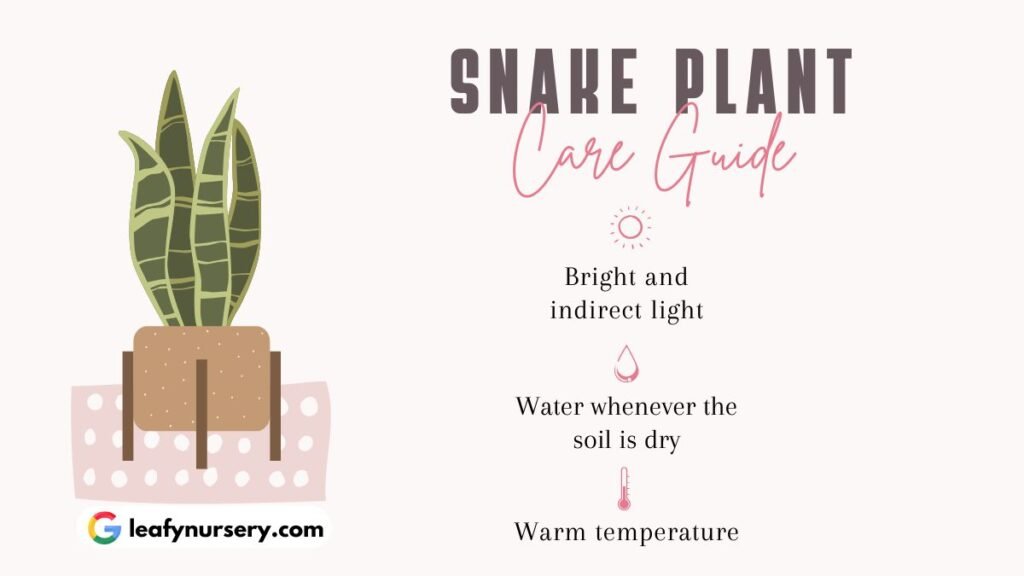
Snake plants are the best choice for beginners due to their low maintenance.
| Soil Type | In spring and summer, use a balanced liquid fertilizer (10-10-10 or 20-20-20) diluted to half strength once every 2-3 months. Avoid fertilizing in winter. |
| Watering Schedule | Well-draining soil; use a cactus or succulent mix. To enhance drainage, add sand or perlite. Avoid heavy, water-retaining soil. |
| Pot Type | Use a pot with drainage holes (terracotta pots are ideal as they allow excess moisture to evaporate). Avoid plastic pots that retain moisture. |
| Temperature Range | Ideal: 60-80°F (16-27°C). Cannot tolerate temperatures below 50°F (10°C). Avoid placing near cold drafts or air conditioners. |
| Humidity Requirements | Adapts well to average indoor humidity. Avoid excessive misting as it prefers dry air. |
| Fertilization | Mildly toxic to pets (cats and dogs) and humans. Ingestion may cause nausea, vomiting, or irritation. Keep pets and children out of reach. |
| Repotting Needs | Repot every 2-3 years or when root-bound. Choose a slightly larger pot with good drainage. If roots are circling inside the pot, it’s time to repot. |
| Propagation Methods | 1. Leaf Cuttings: Cut a healthy leaf and let it dry for a day, then plant in moist soil. 2. Division: Separate the rhizomes and plant them in new pots. 3. Water Propagation: Place leaf cuttings in water until roots develop, then transfer to soil. |
| Common Pests & Diseases | Pests: The plant is rarely affected by pests, but spider mites, mealybugs, or aphids can infest it. If needed, wipe the leaves with neem oil or insecticidal soap. Diseases: Root rot occurs due to overwatering. Always allow the soil to dry between waterings. |
| Toxicity | Mildly toxic to pets (cats and dogs) and humans. Ingestion may cause nausea, vomiting, or irritation. Keep out of reach of pets and children. |
| Growth Rate | Slow to moderate; grows faster in bright, indirect light. Can reach 2-4 feet (60-120 cm) indoors. |
| Best Companion Plants | Use well-draining soil, such as a cactus or succulent mix. Add sand or perlite to enhance drainage. Avoid heavy, water-retaining soil. |
| Air-Purifying Benefits | Mildly toxic to pets (cats and dogs) and humans. Ingestion may cause nausea, vomiting, or irritation. Keep pets and children out of reach. |
Snake Plant Varieties
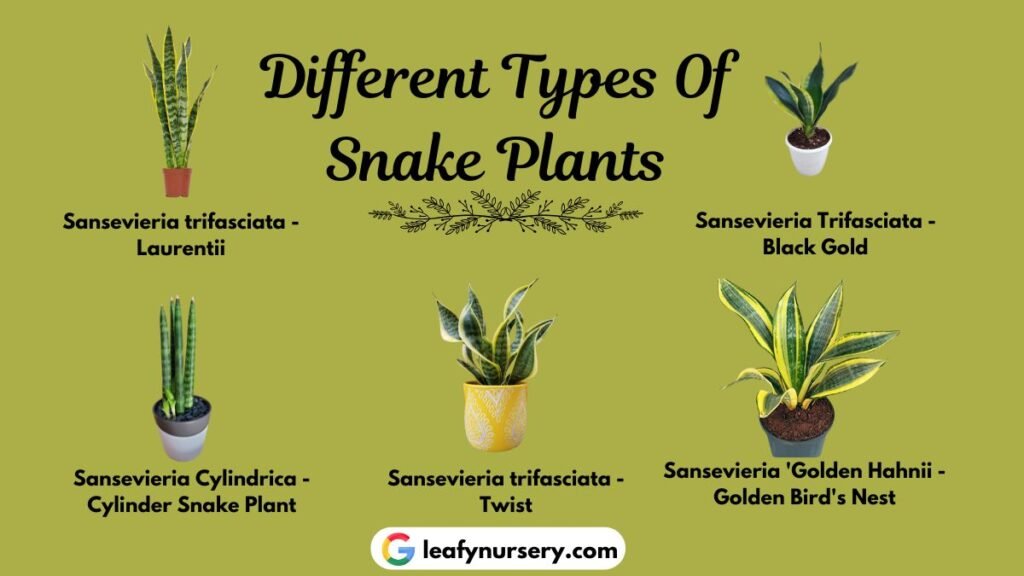
There are many different varieties of snake plants, but here are some popular and trending ones:
Sansevieria trifasciata – Laurentii
Sansevieria trifasciata—Laurentii variety is a classic indoor plant with tall green leaves edged in golden yellow. It is a popular choice.
Sansevieria trifasciata – Twist
This variety of plants has a wavy and twisted variation and grows 15 inches tall.
Sansevieria ‘Golden Hahnii – Golden Bird’s Nest
It grows six inches tall and is also known as a bird’s nest
Sansevieria Trifasciata – Black Gold
This type of snake plant has deep green leaves with striking gold edges
Sansevieria Cylindrica – Cylinder Snake Plant
It has cylindrical leaves, which makes this plant unique
FAQs
Is snake plant a good luck plant?
Yes, according to Vastu, the snake plant is considered a good luck plant as it brings in a lot of financial gains.
Which plant gives oxygen?
Snake plants release oxygen at night and improve the air quality.
Where do I buy a variety of good-quality snake plants?
You can buy good quality snake plant varieties at leafynursery
Does Snake plants attract snakes and other insects
No, Snake plants do not attract snakes and other insects
Shop Now at
www.leafynursery.com